A summit climb to one of India’s best panoramas
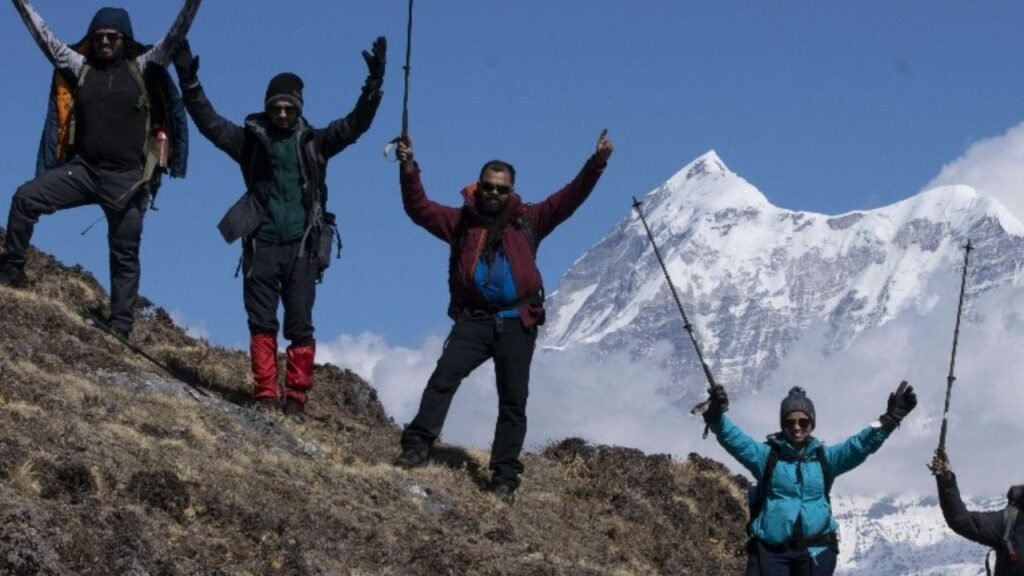
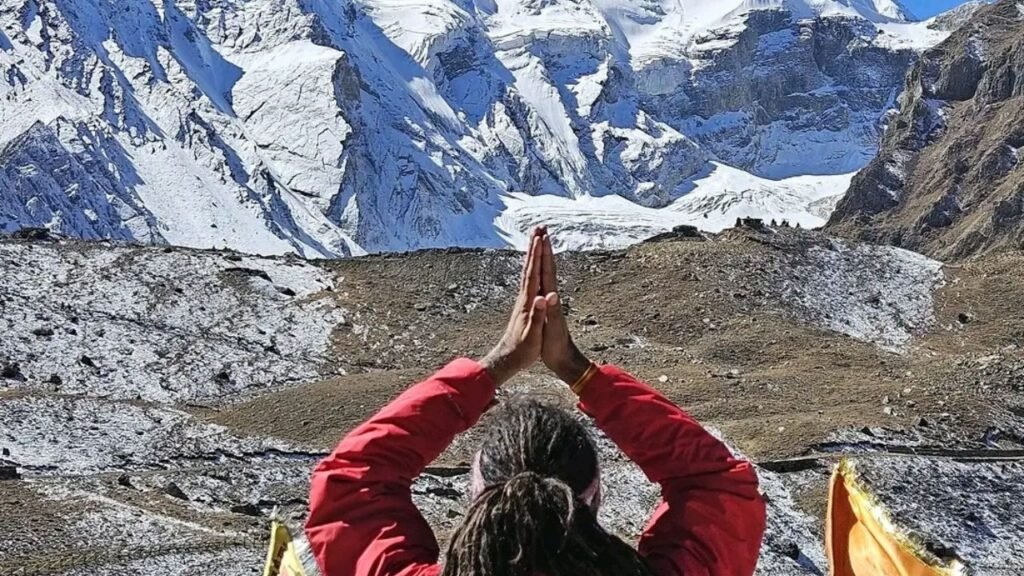
But even with these forests and meadows, what truly stands out is the Chandrashila summit. At Indiahikes, we’ve stood at stunning Himalayan viewpoints like Kuari Top and Tapovan. But most show peaks from just one region. From Kuari Top, you see the grand Garhwal mountains. From Tapovan, you get a close view of the Gangotri range. But Chandrashila offers a sweeping panorama of the most iconic peaks of both Garhwal and Kumaon. This is unparalleled.
On your left are the Gangotri group of peaks, the Kedarnath, the Kedar dome, Mandani Parbat and Janhukut. The imposing Chaukhamba is right in front. Most of them are over 7,000 meters tall. On your right are the Gauri Parbat, Hathi Parbat and Dunagiri. And then right ahead, standing against the skyline in India’s tallest mountain, Mt Nanda Devi, flanked by Nanda Ghunti and Trishul. If you are there at sunrise, you see the Sun rise right behind Nanda Devi. The first rays touch Chaukhamba. We’ve seen many trekkers moved to tears by this sight.
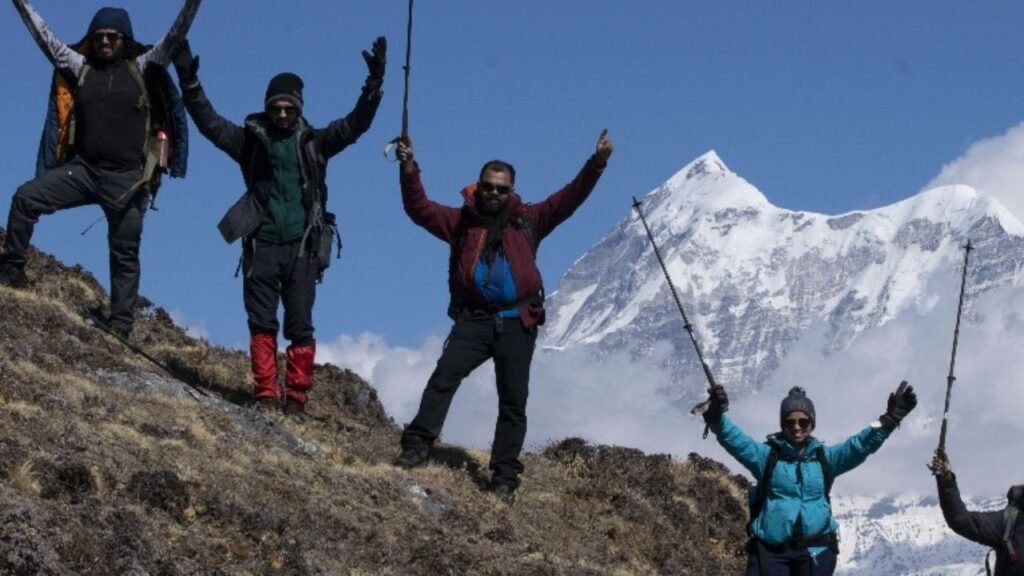
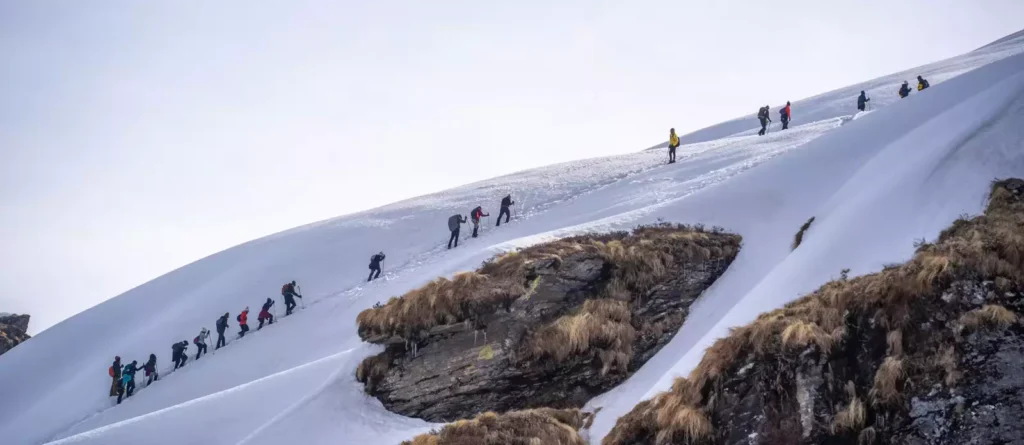
What makes the climb to Chandrashila summit special is the perfect balance it offers. It’s not too tough, like Pangarchulla, but still gives you the full feel of a summit push. You begin in the dark, take on a steady climb, and earn your summit. This mix of challenge and accessibility is rarely found on other treks.
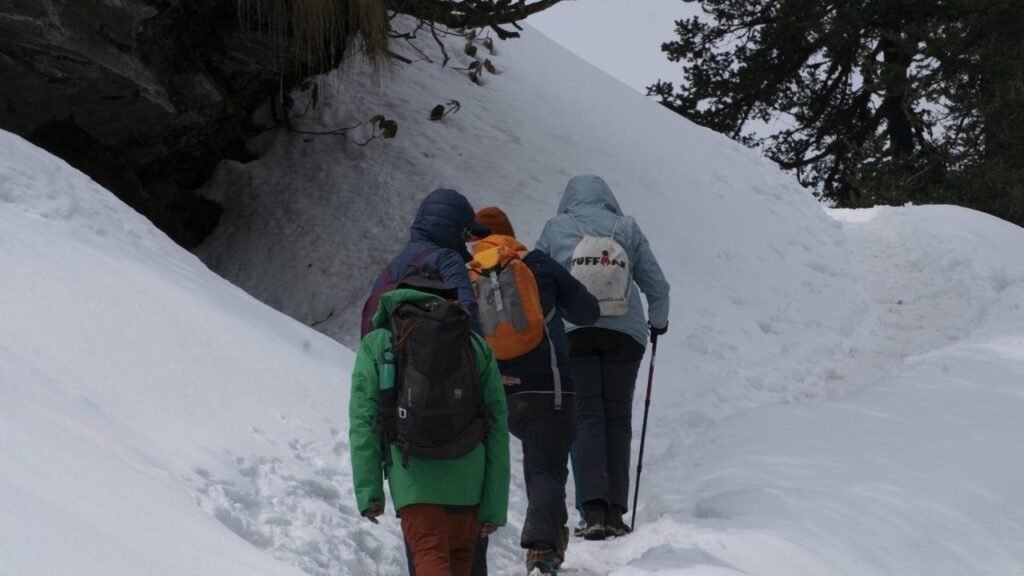
There is so much to love about the Deoriatal Chandrashila trek. Right from the grand reflection of Mt. Chaukhamba on the still waters of Deoriatal, to the dense, untouched forests, quiet meadows, and the charming Akashkamini stream—it’s a trek that surprises you at every step. In spring, the trail bursts to life with rhododendrons in every shade of red and pink. In winter, it turns into a snow-covered wonderland.
5 Things We Love About the Deoriatal Chandrashila Trek
1) The Chandrashila Summit’s Panoramic Views Standing at the Chandrashila summit feels like being on top of the world. To your left, you see the Gangotri range. Right in front of you is the imposing Chaukhamba massif. And further ahead stands India’s tallest mountain, Mt Nanda Devi, side by side with Mt Trishul and Mt Nanda Ghunti. You see almost 20 iconic peaks, each of them close to or more than 7000 m above sea-level.
2) Deoriatal Lake and Mt Chaukhamba The Deoriatal Lake is a gem of this trek. Nestled amidst dense forests, the lake is serene and magical, especially with the towering Mt Chaukhamba reflected in its waters. For many trekkers, this view alone justifies the entire trek. The lake, surrounded by snow in winter, makes an even more picture-perfect spot.
3) Rhododendron Blooms in Spring In spring, the trek transforms into a riot of colours as rhododendrons bloom in abundance. The trail is alive with vivid pinks, reds, and scarlets, creating a surreal atmosphere. Entire hillsides near Chopta turn red with rhododendron blossoms. This makes Deoriatal Chandrashila one of the most popular rhododendron treks of India.
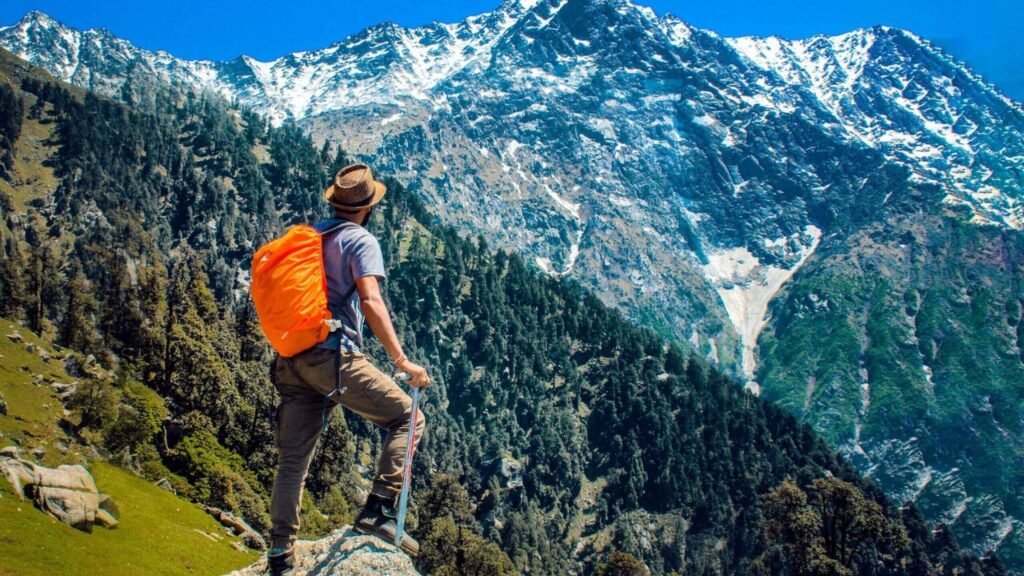
4) The Thrill of the Summit Climb The climb from Chopta to the Chandrashila summit is an adventure in itself. The ascent is challenging yet exhilarating. You witness the landscape transform as the trek climbs from dense forests to bouldery alpine zones. Reaching the summit brings a sense of accomplishment that trekkers cherish forever.
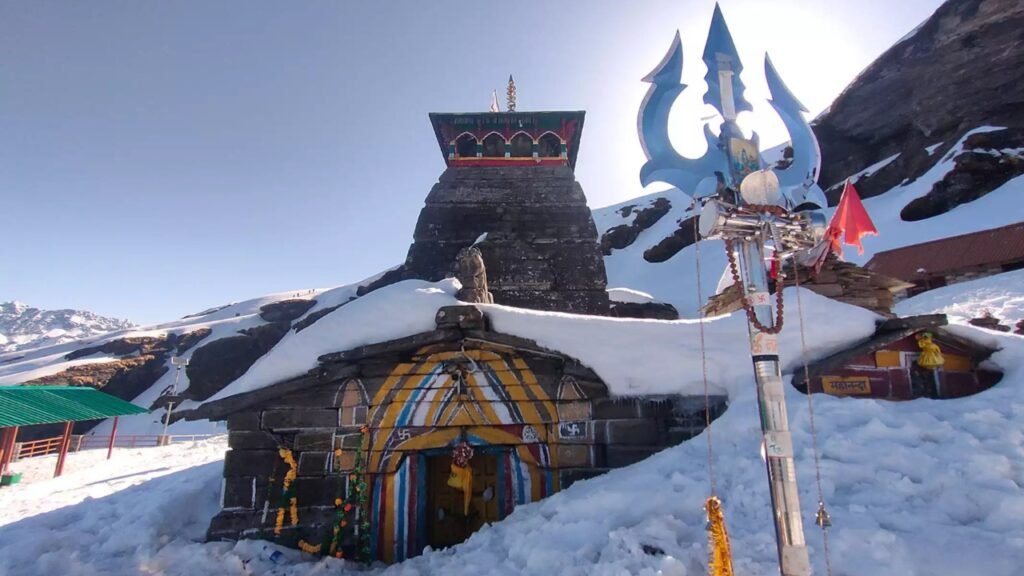
5) Birdwatcher’s Paradise The trek is a haven for bird lovers. The Deoriatal region is teeming with birdlife. You walk amidst their cheerful company throughout the trek. Near the Tunganath temple, you can spot the vibrant Himalayan Monal, Uttarakhand’s state bird.
Gallery